Reader story · Healthy aging
"By 3 O'Clock I Was Done for the Day." What Ray, 63, Changed About His Afternoons
Cold hands, heavy legs and the afternoon wall he blamed on age. What Ray learned about blood flow and daily energy after 60, and the 10-second dropper routine he uses now.

Ray is 63, a retired machinist from Ohio. He walks the dog, fixes things for his neighbors and, until last year, ran out of gas every single afternoon. "By three o'clock I was done for the day," he says. "Not sleepy. Just heavy. Like my legs were full of sand."
His hands were always cold. His feet too. "My wife would joke that she could tell where I'd been sitting because the chair stayed cold," he laughs. "It wasn't that funny to me."
His doctor checked the basics and told him what a lot of men his age hear: you're 63, slow down. "I didn't want to slow down. I wanted to keep up with my grandson."
What changes with circulation after 60
Your blood vessels are not just pipes. Their inner lining makes a gas called nitric oxide, which tells the vessel walls to relax so blood can flow more freely. Researchers have known for years that this signal tends to weaken with age.
When it does, many people notice the same things Ray did: cold hands and feet, heavier legs, and less get-up-and-go in the afternoon. Diet, movement and sleep all play a role. So do a few nutrients the body uses to make that signal.
What Ray looked for
Ray's daughter, a pharmacy technician, helped him read the labels and the research. Here is what they found, including what the studies do not show.
1. L-arginine
L-arginine is an amino acid the body uses to make nitric oxide, the "relax" signal for blood vessels. It is one of the most studied nutrients for blood-vessel function. The research is mixed on how much a supplement adds for any one person, so think of it as support, not a fix.
2. Panax ginseng and maca
Panax ginseng has been studied for everyday fatigue; a 2018 review in the Journal of Alternative and Complementary Medicine found encouraging but limited evidence that it may help with tiredness. Maca, a root from the Andes, has a long traditional use for energy and stamina, with a small number of human studies.
3. Grape seed extract and a broader blend
Grape seed extract is rich in plant compounds called proanthocyanidins, studied for how they support healthy blood vessels. Ray's formula also includes green tea, guarana and ginseng, which give a gentle lift in energy. That is also why it is not right for everyone (more on that below).
Ray's 10-second morning routine
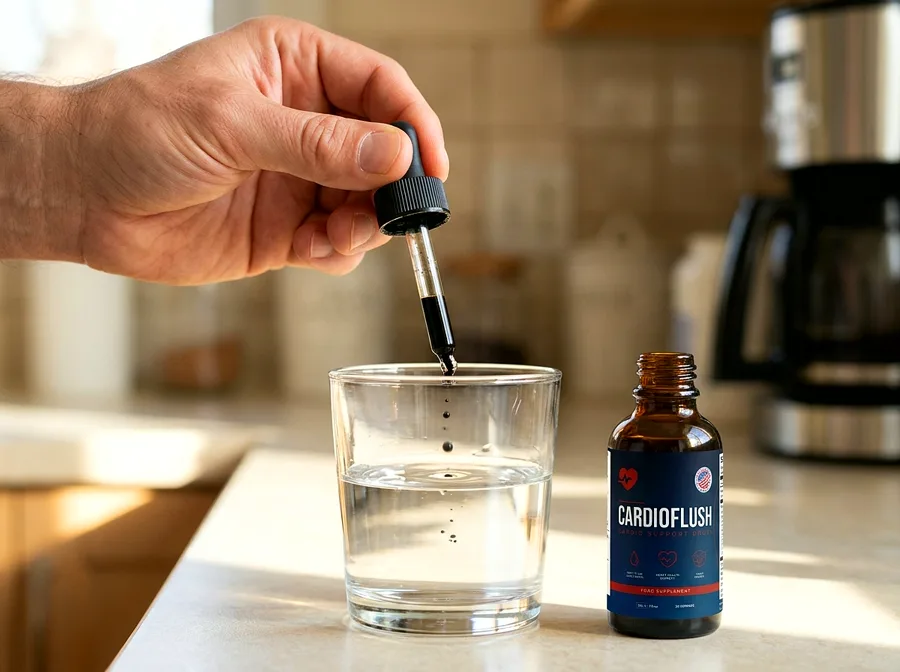
Ray didn't want another handful of pills. What he found was CardioFlush, liquid drops that combine L-arginine, grape seed extract, Panax ginseng, maca and a wider blend of botanicals in one dropper.
"One dropper in water before I take the dog out," he says. "Ten seconds. That's the whole thing."
He is careful about what he says next. "It's not magic and I'm not going to tell you it fixed anything. What I noticed, after a few weeks, was the afternoons. I'd still be in the garage at four. My hands felt warmer on the walk. That's the honest version."
Read this first: who should talk to a doctor
CardioFlush is a dietary supplement. It is not a treatment for high blood pressure or any heart condition, and it does not replace any medication.
The blend contains ingredients that act as mild stimulants (guarana and green tea contain caffeine), plus a licorice-derived compound. If you have high blood pressure or a heart condition, take blood pressure medication or a blood thinner, are sensitive to caffeine, or are pregnant or nursing, talk to your doctor before you start.
And give it time. Nobody can honestly promise a date, and results vary. That is why most people choose the 3-bottle package, and why every order comes with a 90-day money-back guarantee.

The drops Ray uses: CardioFlush
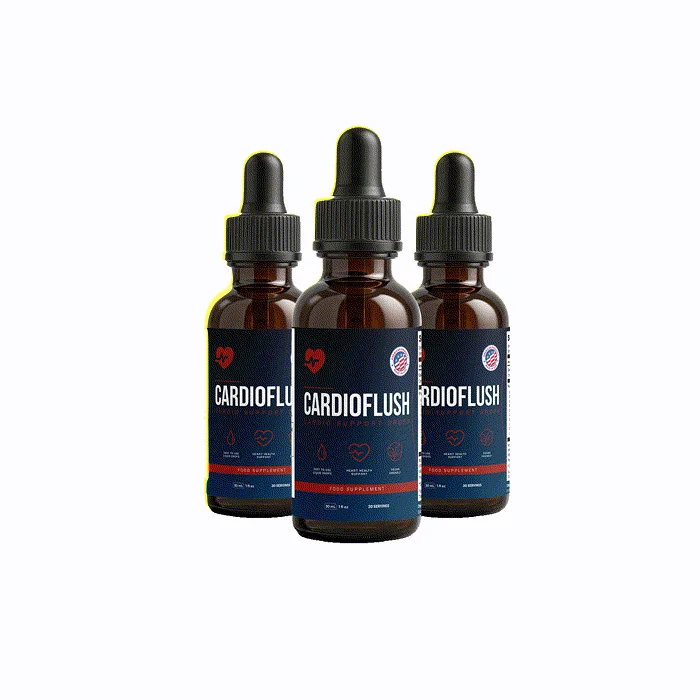
CardioFlush is a liquid dietary supplement that supports healthy circulation and daily energy as part of a healthy routine.*
- L-arginine
- Grape seed extract
- Panax ginseng and maca
- Green tea and guarana (natural caffeine)
- 1–2 droppers a day, 60 mL per bottle
See the CardioFlush drops Ray uses →Official CardioFlush page · 90-day money-back guarantee
Where to get CardioFlush
CardioFlush is sold through its official checkout, which is the one covered by the 90-day money-back guarantee. Most people choose 3 bottles: a 90-day supply at the lowest price per bottle.
3 bottles$99 total$33 per bottle · free US shipping
Choose 3 bottles
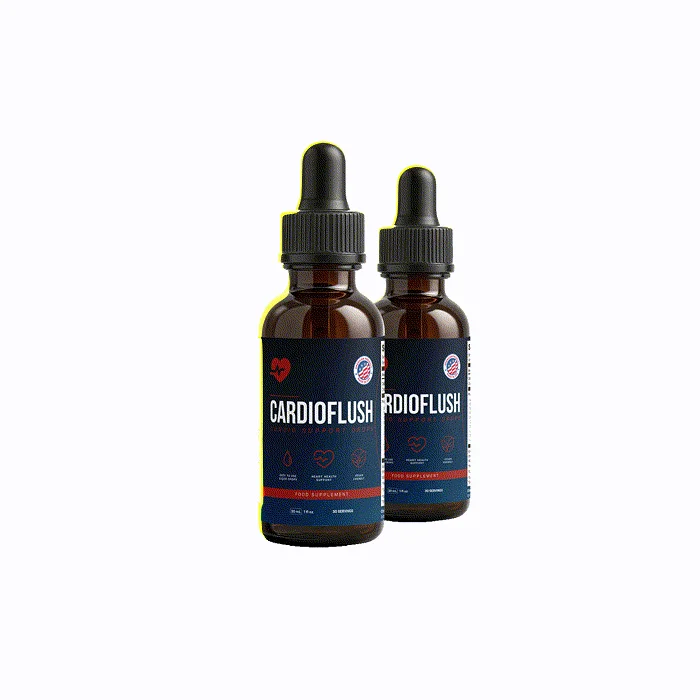 2 bottles$89 total$44.50 per bottle · free US shipping
Choose 2 bottles
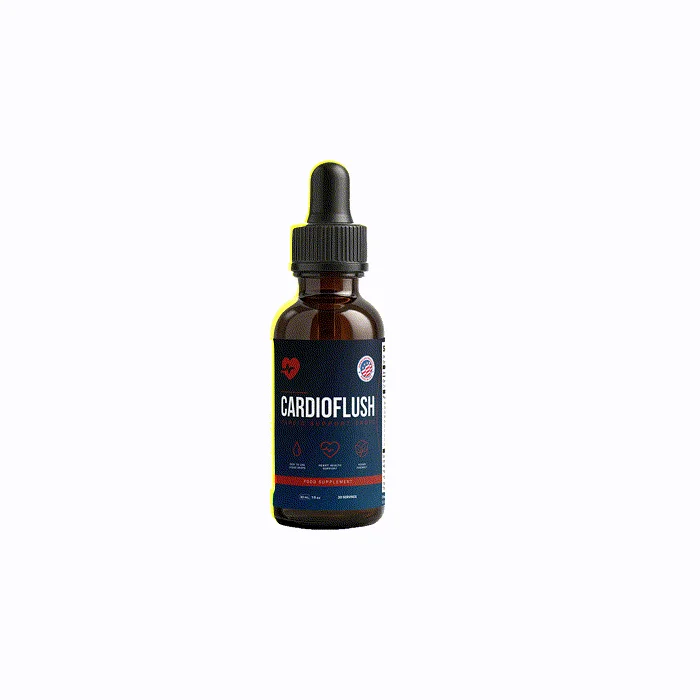 1 bottle$79 totalfree US shipping
Choose 1 bottle
Your order is a subscription: your package refills and is billed every 28 days at the same price until you cancel; cancel anytime by e-mail. Express shipping and a 365-day protection add-on may be pre-selected at checkout; both are optional, so remove them to pay only your package price.

90-day money-back guarantee
If CardioFlush is not right for you, contact the official support team within 90 days of your purchase with your order number and ask for a refund.
Questions readers ask
How do I take it?
1–2 full droppers a day, in water or juice or under the tongue, as directed on the label.
Does it lower blood pressure?
No. CardioFlush is a dietary supplement. It is not a treatment for high blood pressure or any disease and does not replace any medication. If you have high blood pressure or take blood pressure medication, talk to your doctor before starting.
Does it have caffeine?
Yes. Guarana and green tea naturally contain caffeine. If you are sensitive to caffeine, ask your doctor first.
How soon will I notice something?
Nobody can honestly promise a date and results vary. The 90-day guarantee gives you time to decide.
- Moncada S, Higgs A. The L-arginine-nitric oxide pathway. New England Journal of Medicine, 1993.
- Arring NM et al. Ginseng as a treatment for fatigue: a systematic review. Journal of Alternative and Complementary Medicine, 2018.
- Gonzales GF. Ethnobiology and ethnopharmacology of Lepidium meyenii (maca), a plant from the Peruvian highlands. Evidence-Based Complementary and Alternative Medicine, 2012.